Water before the bag
Fill a bottle before you pack food so hydration stays visible. On warm days this simple order reduces impulse cold drinks.
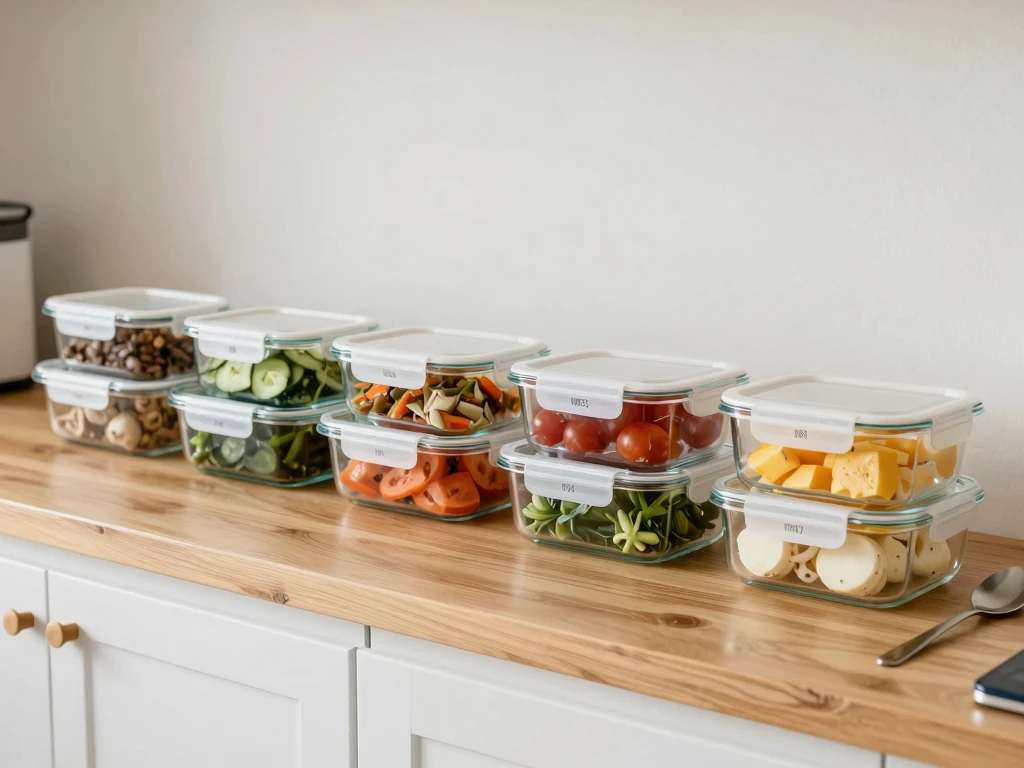
Eat Easy is our name for repeatable systems—labelled storage, honest portion notes, and shopping lists that survive a busy Tuesday. The goal is not a perfect pantry photo; it is a kitchen that still works when plans change halfway through the day.
We write from Parramatta for readers across Australia who want structure without rigid rules or hype. Below you will find a stepped arc you can adapt, portable habits for travel days and freezer nights, and depth on batching—pair with Daily Comfort when you want light, seating, and shared time—not only ingredients.
Flow · rhythm · gentle pacing across the day
Shift each block earlier or later to match school bells, shift work, or hybrid office hours. The order matters more than the exact time.
Warm drink first, food optional. If hunger is quiet, note water intake and carry a light snack for mid-morning rather than forcing an early plate.
Combine protein and fibre in one container when possible so afternoon meetings do not float on coffee alone. Colour and crunch can come from quick additions.
A planned piece of fruit or yoghurt can replace vending detours—especially when commute stretches unexpectedly.
Dim lights slightly, set phones aside, and chew slowly enough to notice texture. The meal closes the work story even if the inbox is not empty.
Rinse boards, note tomorrow’s thaw item, and return containers to the same shelf so morning-you sees a predictable scene.
Fill a bottle before you pack food so hydration stays visible. On warm days this simple order reduces impulse cold drinks.
Pour soups into thin slabs so they thaw evenly and reheat without cold centres on weeknights.
If more than one cook shares a board, mats in different colours reduce cross-contact where households need that clarity.
Returning boxes to the same place each night makes morning packing faster than hunting behind jars.
Longer batches do not have to mean identical plates every night. A neutral base—grain, legume, or roast vegetable—can wear different herbs, pickles, and citrus across several meals.
Rotate toppings instead of sauces: chopped herbs one night, toasted seeds another, quick-pickled onion the next. The base stays familiar while the fork experience changes enough to feel fresh.
When only one person eats at home, scale pans down deliberately. Smaller cookware means faster heat, quicker washing, and less silent food waste sitting in the back of the fridge.
Timers are kindness devices—they protect food from overcooking and they protect you from forgetting a meeting while stirring. Pair audible cues with a visible clock in the kitchen so sound and sight align.
If you want this arc adapted to a roster you cannot share publicly, use our contact form with the level of detail you are comfortable providing—we reply with reading order, not diagnosis.
Describe early starts, late finishes, or shared cooking duties. We answer with references that match your context.
Contact the studio