Morning light
Open curtains before the kettle finishes so the first meal meets daylight when schedules allow. On dark winter starts, a warm-toned lamp can stand in until the sky catches up.
We look at chairs, lamps, sound, and pace so eating feels woven into the day—not squeezed between notifications. Daily Comfort is not a promise of outcomes; it is a set of invitations to slow the edges of meals: the walk to the table, the first sip, the moment you close the fridge.
Readers pair this page with Eat Easy when they want logistics plus atmosphere. Nothing here replaces advice tailored to you by a qualified professional.
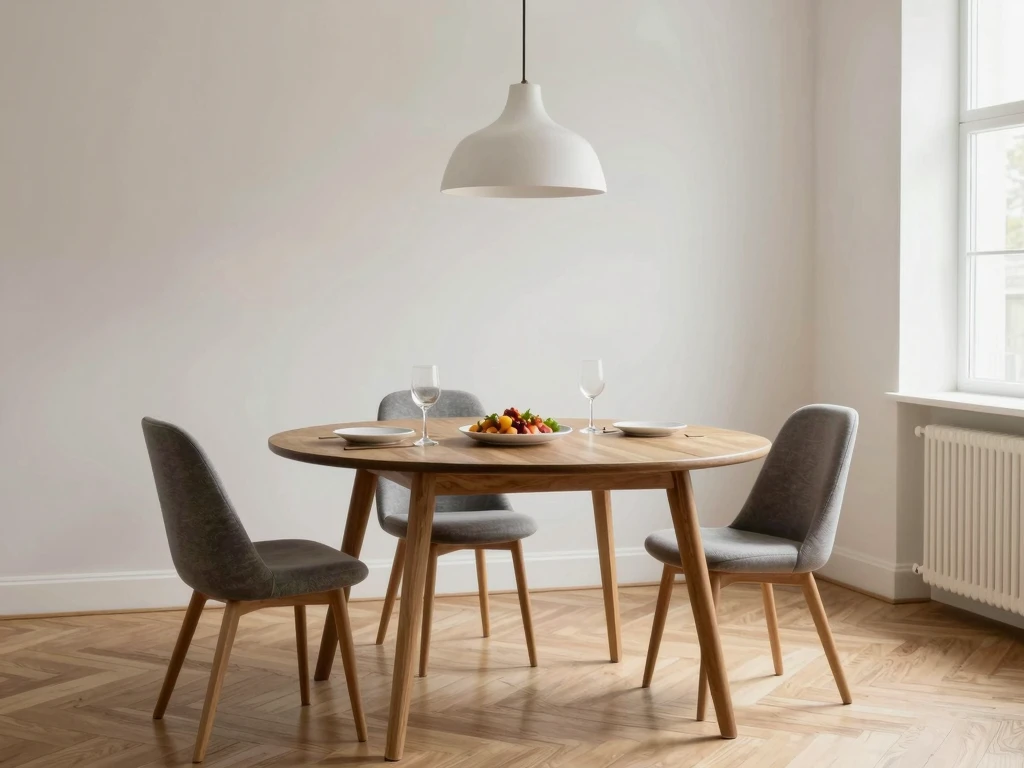
Balance · light · habits that repeat kindly
Each tile is a single idea—try one, leave the rest, return when the season changes.
Open curtains before the kettle finishes so the first meal meets daylight when schedules allow. On dark winter starts, a warm-toned lamp can stand in until the sky catches up.
Feet flat reduces subtle tension that shows up as rushed chewing.
Mute notifications for twenty minutes—long enough to taste temperature.
One person pours, another clears—roles rotate so no single voice owns the kitchen story.
Label with dates and visible shelves so “later” does not become a mystery.
Flexible serving windows beat a single dinner bell when work shifts do not line up. Keeping ingredients staged—washed greens, cooked grains, dressing apart—lets each person assemble without reheating the same plate three times.
When children eat earlier, adults can still sit for the first ten minutes so the room holds one conversation arc even if plates differ.
Clear shelf zones and labelled containers reduce friction when many hands pass through the kitchen. A short note on the fridge (“Soup for Tuesday”) can answer questions before they become tension.
If you support someone with changing appetite, small portions offered more often may feel less overwhelming than large plates—always aligned with advice you already trust.
Pick four that fit this week; ignore the rest without guilt.
Shift patterns, caring roles, and noisy buildings all change which ideas help. Tell us what applies and we will suggest a reading order.
Send a message